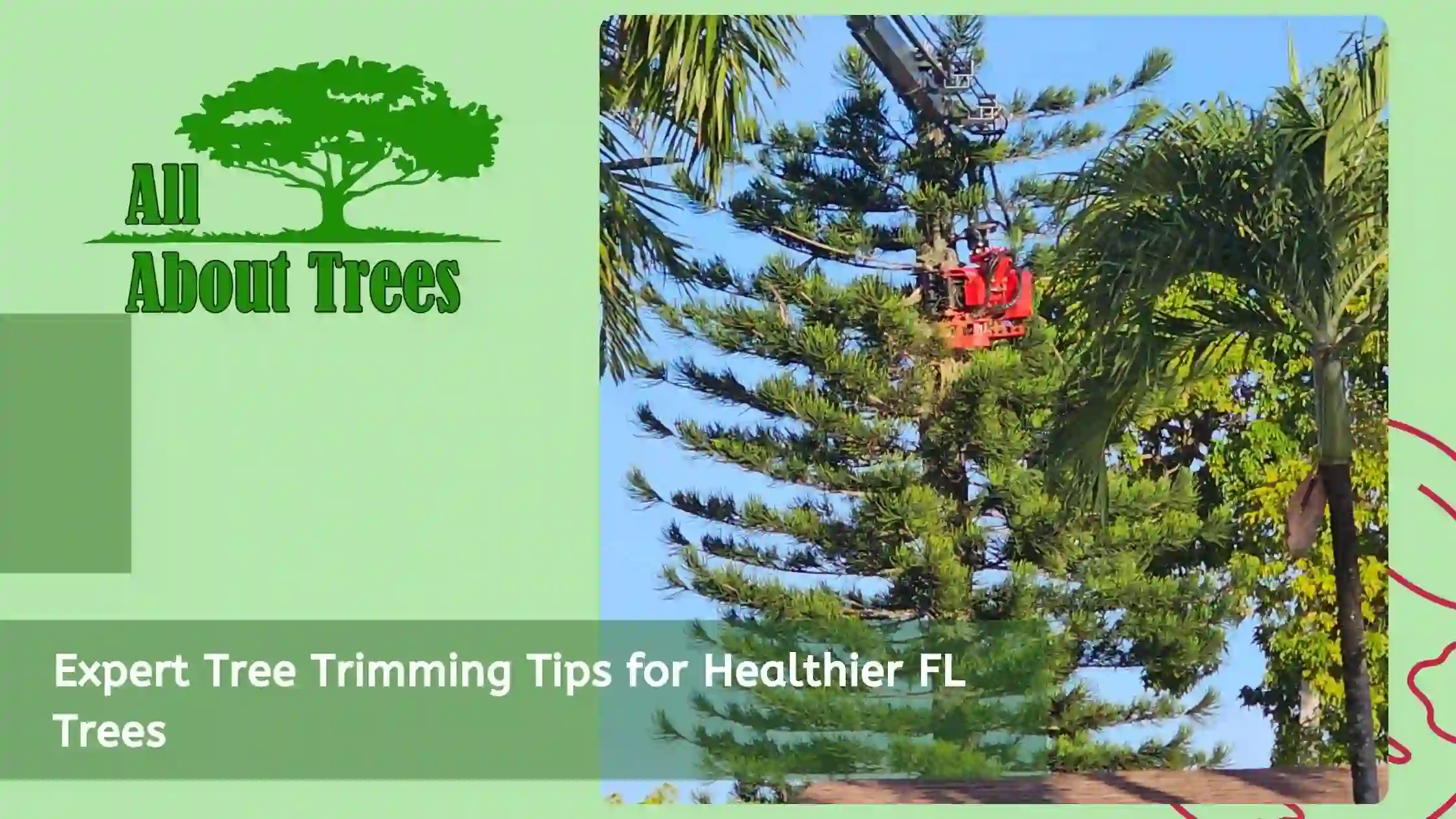
Tree Trimming Tips for Healthier FL Trees start with understanding the unique environment. Florida’s warm, sunny climate allows trees to thrive almost year-round, but it also exposes them to strong winds, heavy rainfall, humidity, and fast growth. Without proper maintenance, trees can quickly become overgrown, diseased, or hazardous to your property. That’s why professional tree trimming services in Florida play a crucial role in keeping your outdoor space healthy, safe, and visually appealing.
This guide covers the most important expert-backed trimming practices, performed by professional arborists, to ensure your trees get the highest level of care while supporting long-term growth and resilience.
Why Tree Trimming Is Essential in Florida
Tree trimming isn’t just for aesthetics, it’s a critical part of Florida landscape care. With the state’s frequent storms, fast-growing foliage, and variety of tree species, trimming helps ensure stability and safety.
Health Benefits
Professional trimming prevents:
- Broken or dead limbs
- Disease spread
- Excess decay
- Overgrown branches limiting sunlight
When done correctly, trimming boosts airflow, encourages stronger growth, and reduces stress on the tree.
Safety Benefits
Florida storms are unpredictable. Weak or overhanging limbs can cause damage to roofs, vehicles, and outdoor structures. Professional trimming minimizes these risks and protects your property.
Tip #1 — Trim at the Right Time of Year
Timing is everything in Florida’s climate.
Best Season for Trimming
While some homeowners assume spring is ideal, Florida’s best times for trimming often fall during:
- Late winter (ideal for shaping and removing dead limbs)
- Early spring (encourages strong seasonal growth)
- Post-storm season (removing storm-damaged branches)
Professional arborists assess tree species and local weather patterns to trim safely and efficiently.
Tip #2 — Remove Dead, Diseased, or Damaged Branches First
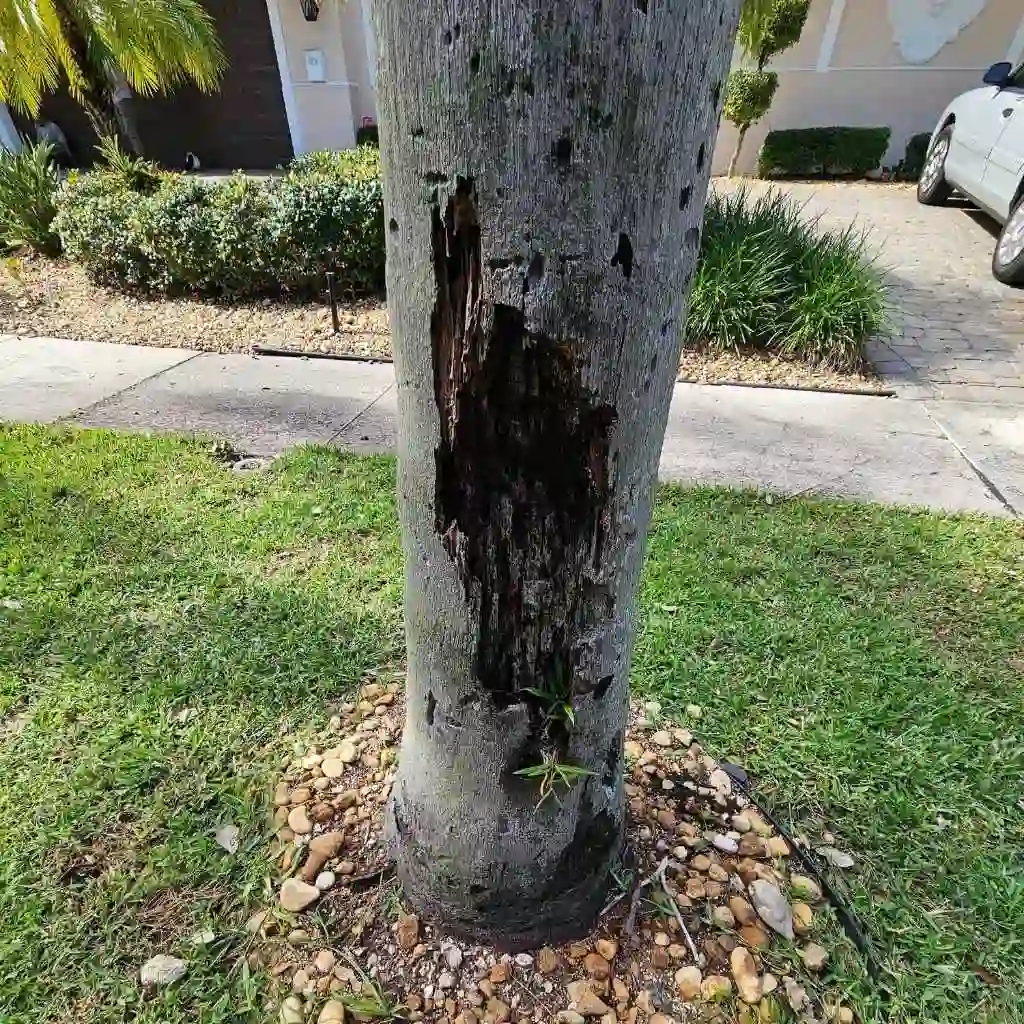
Dead or unhealthy limbs can attract pests, weaken the tree, and pose safety hazards.
Signs of Problematic Branches
Our team looks for:
- Cracks
- Hollow sections
- Fungal growth
- Discoloration
- Pest infestation
These branches are carefully removed using proper equipment to prevent further damage to the tree.
Tip #3 — Avoid Over-Trimming
Over-trimming is one of the biggest mistakes untrained individuals make. Excessive removal can weaken a tree, reduce shade, and leave it vulnerable to sunburn, especially common in Florida’s harsh heat.
Why Professional Precision Matters
We ensure:
- No more than 25% of the canopy is removed
- Cuts are properly placed to encourage regrowth
- The tree retains its natural structure
- Key branches aren’t removed unnecessarily
This balanced approach keeps your tree strong and functional.
Tip #4 — Maintain Proper Canopy Shape
A well-shaped canopy improves both airflow and sunlight penetration, reducing the likelihood of fungal diseases.
Structured Trimming for Healthier Growth
Our experts strategically thin and shape the canopy to:
- Improve air circulation
- Reduce weight on heavy limbs
- Promote upward, structured growth
- Prevent overcrowding
This creates a stronger, more storm-resistant tree.
Tip #5 — Prioritize Safety: Leave Ladder Work to Professionals
Tree trimming often requires tall ladders, climbing equipment, power saws, and safety harnesses. Attempting this work without training is extremely dangerous.
How We Ensure Safety
Our licensed arborists use:
- Commercial climbing systems
- Protective gear
- Professional-grade cutting tools
- Rope support techniques
This ensures safe trimming while protecting both your property and our crew.
Tip #6 — Trim for Storm Preparedness
Florida’s hurricane season makes storm prep a necessity, not a luxury.
Storm-Resistant Tree Structure
We trim trees to:
- Reduce wind resistance
- Remove weak limbs
- Clear limbs near power lines
- Prevent heavy branches from falling on roofs
This helps your trees withstand strong winds and reduces possible damage during storms.
Tip #7 — Hire Professionals for Large or Mature Trees
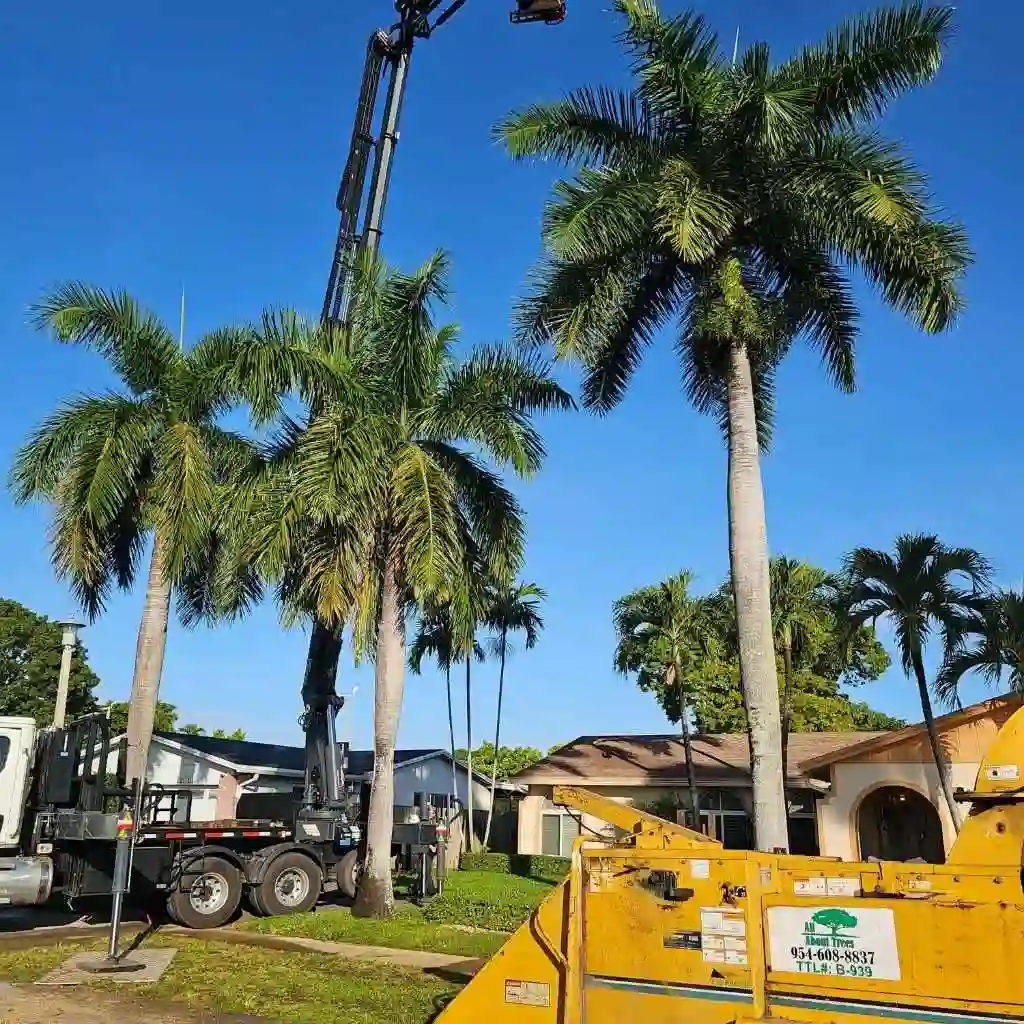
Large or older trees require careful trimming to avoid damaging their structure or root system.
Why Mature Trees Need Special Care
Our professional team:
- Identifies load-bearing branches
- Avoids cutting vital limbs
- Prevents trunk injury
- Ensures trimming supports long-term health
With expert insights, we help preserve the tree’s beauty and stability for years.
Tip #8 — Schedule Routine Maintenance
Routine trimming keeps trees healthy and prevents small issues from becoming costly problems.
How Often Should FL Trees Be Trimmed?
In Florida, most trees benefit from trimming every 9–12 months, depending on species and location. Our specialists provide maintenance plans tailored to your property.
Why Choose Our Professional Tree Trimming Service in Florida?
Tree trimming is not a DIY job, especially in a climate as demanding as Florida’s. Hiring our team ensures:
- Expert evaluation by trained arborists
- Clean, precise trimming techniques
- Safe removal of hazardous limbs
- Protection for your home and landscape
- Improved overall tree health and longevity
- Storm-ready preparation
We provide dependable, high-quality care backed by experience, modern equipment, and a commitment to safety.
Call to Action
Your Florida trees deserve expert care to stay healthy, beautiful, and storm-ready. If your trees look overgrown, unsafe, or in need of shaping, contact us today. Schedule our professional tree trimming service and let our skilled arborists keep your landscape thriving year-round. Reach out now for a consultation or to book your appointment!