Trees add beauty, shade, and value to your property, but when they become unstable or unhealthy, they can turn into serious hazards. In a coastal city like Fort Lauderdale, where tropical storms, heavy rains, and high winds are part of life, tree-related damage is a real and ongoing concern for homeowners.
That’s why tree risk assessments are something every Fort Lauderdale homeowner should seriously consider. A professional tree risk assessment identifies dangerous trees before they fail, helping you avoid property damage, injuries, and expensive emergency repairs.
If you have mature trees, leaning trunks, cracked branches, or simply haven’t had your trees inspected in years, this guide explains why tree risk assessments matter, what they involve, and how professional services protect your home.
A Real Fort Lauderdale Situation
After a strong summer storm, a homeowner noticed one of their large oak trees had started leaning toward the house. At first, it seemed minor, just a slight shift. Two weeks later, heavy rain caused part of the root system to give way, and the tree crashed into the roof, damaging shingles, gutters, and a bedroom ceiling.
A simple tree risk assessment before storm season could have identified the root instability and prevented thousands of dollars in repairs.
This scenario is more common than most people realize.
What Is a Tree Risk Assessment?
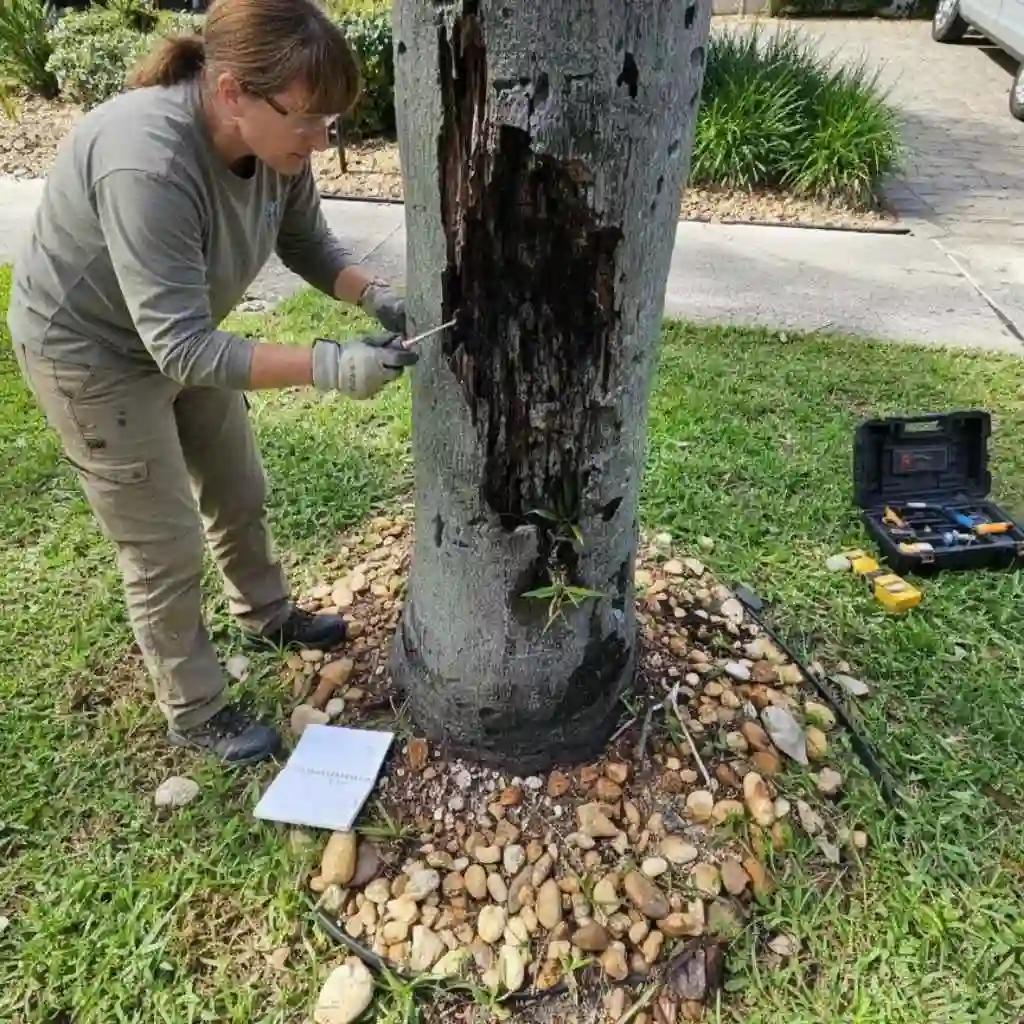
A tree risk assessment is a professional evaluation of a tree’s structural integrity, health, and potential to fail.
During an assessment, trained professionals look for:
- Structural weaknesses
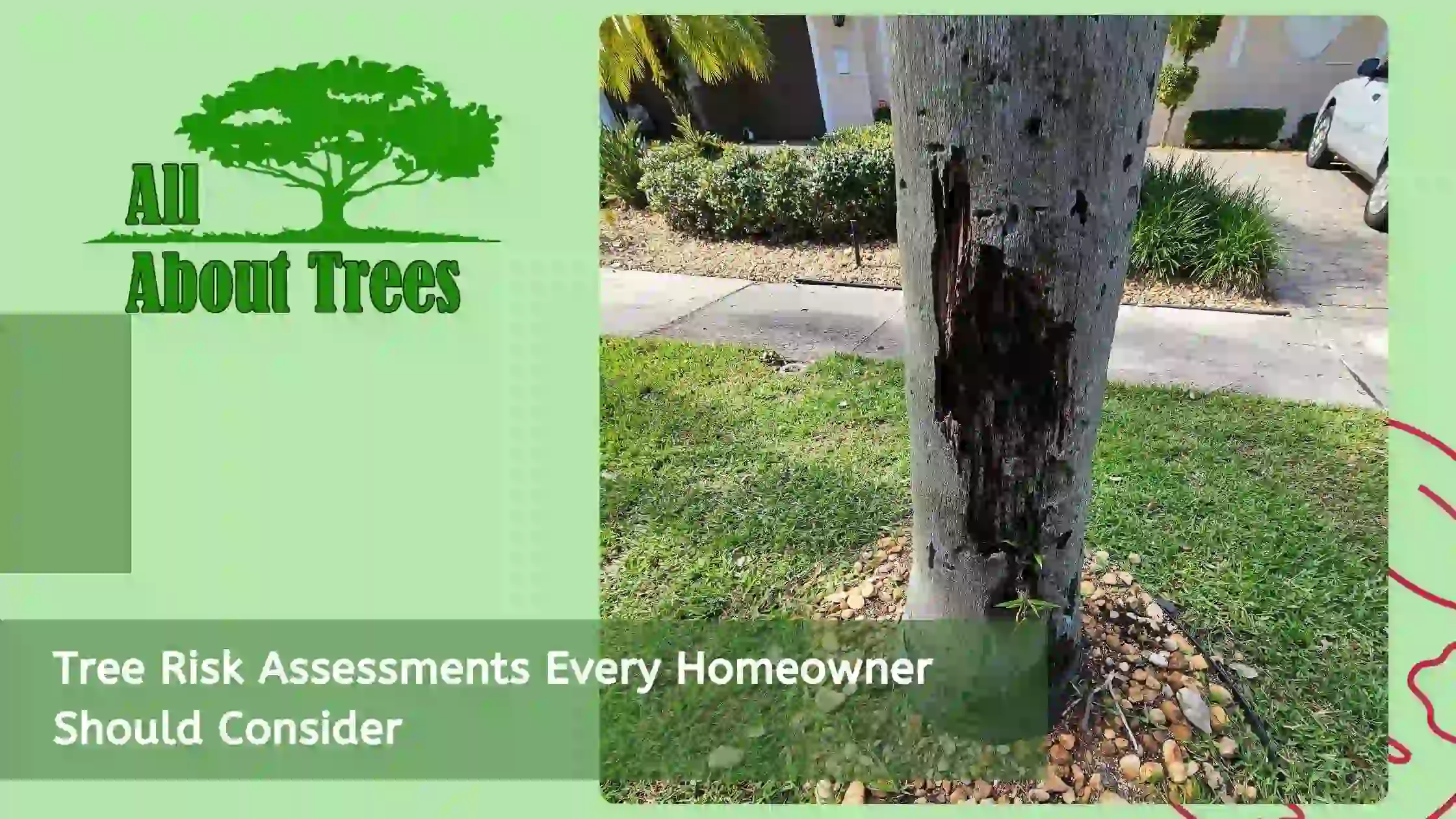
- Signs of disease or decay
- Root problems
- Soil conditions
- Leaning or unbalanced growth
- Previous storm damage
The goal is to determine whether a tree poses a low, moderate, or high risk and recommend appropriate action.
Why Tree Risk Assessments Matter in Fort Lauderdale
South Florida’s climate creates unique challenges for trees:
- Heavy rainfall can loosen soil
- High winds strain branches and trunks
- Hurricanes weaken root systems
- Warm, humid conditions encourage decay
Trees that appear healthy can still be dangerous beneath the surface. A professional assessment reveals hidden problems before failure occurs.
Common Warning Signs Homeowners Should Never Ignore
If you notice any of the following, it’s time to schedule a tree risk assessment:
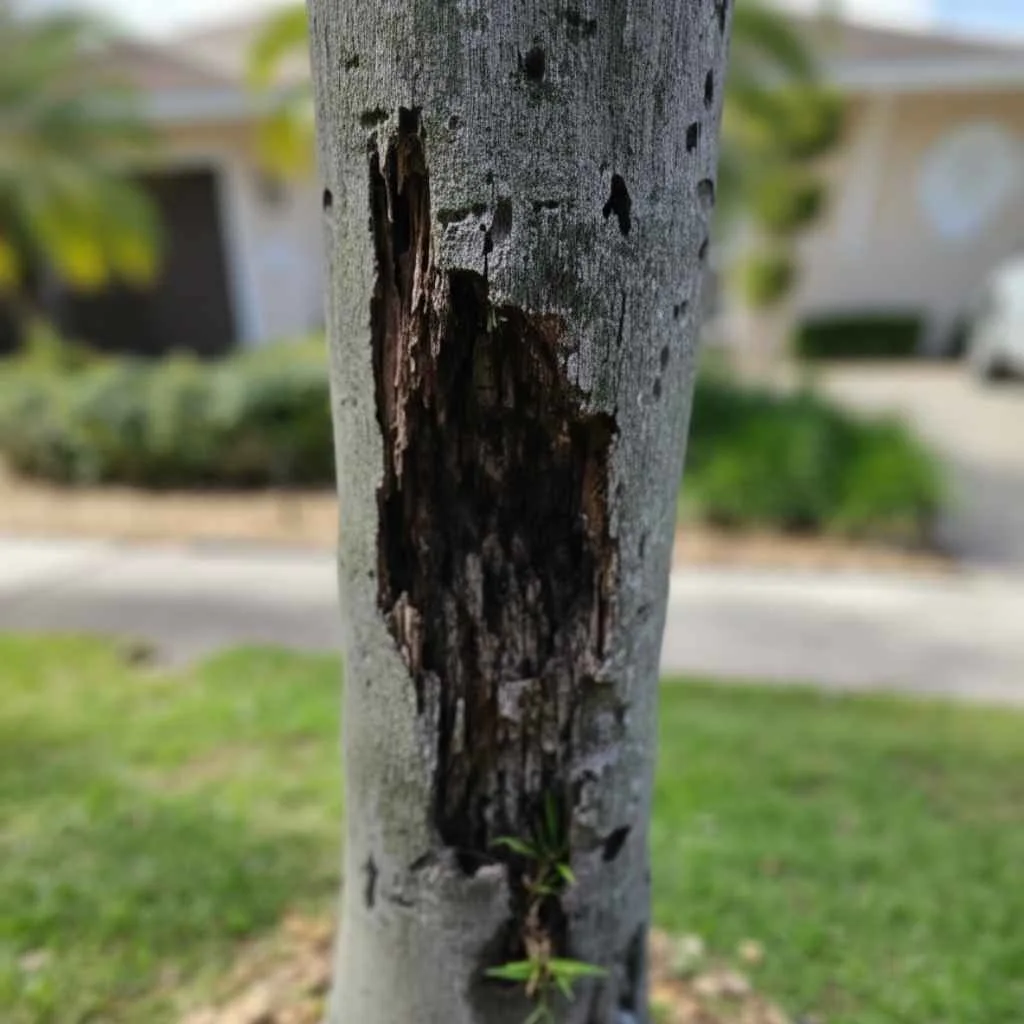
- Cracks in the trunk
- Mushrooms or fungi growing at the base
- Large dead branches
- Leaning trees
- Exposed or damaged roots
- Sudden leaf loss
These symptoms often indicate internal decay or structural instability.
How Tree Risk Assessments Prevent Property Damage
Falling trees and branches can:
- Crush roofs
- Break windows
- Damage vehicles
- Destroy fences
- Down power lines
Identifying hazards early allows professionals to remove or stabilize dangerous trees before disaster strikes.
The Role of Professional Arborists
Professional arborists are trained to evaluate tree health and structural integrity using industry standards.
They don’t guess, they analyze:
- Trunk condition
- Branch attachment strength
- Root flare visibility
- Soil compaction
- Canopy balance
This expertise ensures accurate recommendations.
Tree Risk Assessments vs. Visual Guesswork
Some homeowners rely on quick visual checks, but many dangerous defects are internal.
Why DIY Inspections Fall Short
- Decay can be hidden
- Root damage is underground
- Stress fractures are often invisible
Professional assessments go beyond surface appearance.
How Often Should You Get a Tree Risk Assessment?
Most experts recommend:
- Every 1–2 years for mature trees
- After major storms
- Before hurricane season
- When purchasing a new property
Regular inspections reduce surprises.
Trees Most Likely to Pose Risks
Certain trees deserve extra attention:
- Large, mature trees
- Trees close to structures
- Trees with previous storm damage
- Fast-growing species with weak wood
These trees are more prone to failure.
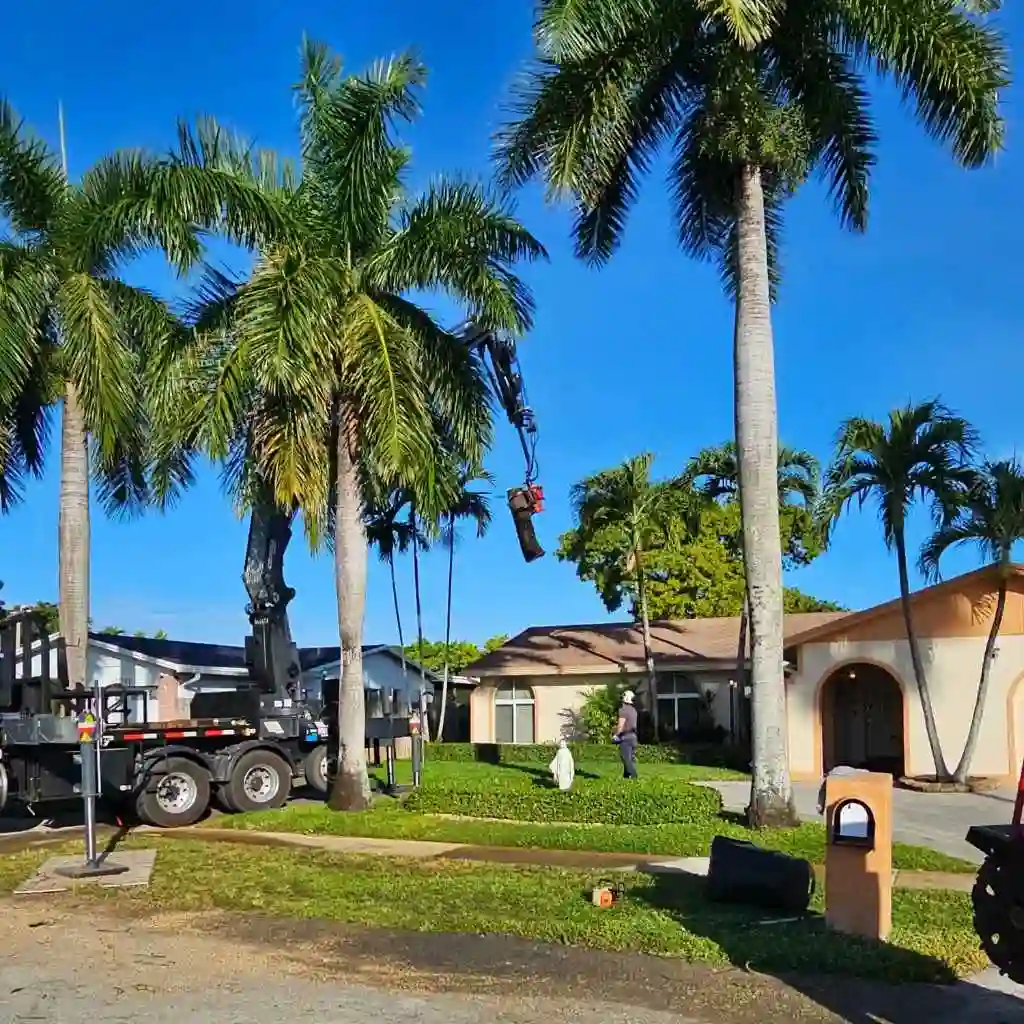
What Happens After an Assessment?
Based on findings, professionals may recommend:
- Pruning
- Cabling or bracing
- Soil improvement
- Monitoring
- Partial removal
- Full tree removal
The goal is always to preserve trees when possible while eliminating danger.
The Cost of Ignoring Tree Risks
Delaying action can result in:
- Emergency tree removal
- Structural home repairs
- Insurance claims
- Increased premiums
- Personal injury liability
Preventive assessments are far more affordable than emergency responses.
Insurance and Tree Risk Responsibility
Homeowners are responsible for maintaining safe trees on their property. If a neglected tree causes damage, insurance may not cover all costs.
A documented tree risk assessment shows you took reasonable steps to maintain safety.
How Professional Tree Services Protect Your Investment
Professional tree services provide:
- Certified arborists
- Proper equipment
- Safe removal methods
- Cleanup and disposal
- Ongoing tree care plans
This ensures your property remains safe and attractive.
Benefits of Regular Tree Risk Assessments
- Fewer emergencies
- Lower long-term costs
- Healthier trees
- Improved curb appeal
- Peace of mind
When Is Tree Removal the Right Choice?
Removal becomes necessary when a tree:
- Is structurally unstable
- Has severe decay
- Cannot be saved through pruning
- Poses immediate danger
Professionals determine when removal is truly necessary.
Why Fort Lauderdale Homeowners Choose Professional Assessments
Local professionals understand:
- Regional tree species
- Soil conditions
- Storm patterns
- Local safety standards
This local knowledge leads to better recommendations.
Final Thoughts
Tree risk assessments for Fort Lauderdale homeowners should not be considered optional; they’re essential. With frequent storms and powerful winds, trees can quickly become dangerous without obvious warning signs.
Scheduling regular professional assessments protects your home, your family, and your investment while preserving the beauty and value of your landscape.
Call to Action
Concerned about the safety of your trees? Call today, book your service, or request a quote for a professional tree risk assessment in Fort Lauderdale. Let experienced professionals evaluate your trees and help keep your property safe year-round.