
Introduction
In Fort Lauderdale, trees grow faster and face more stress than in many other parts of the country. The combination of tropical humidity, sandy soil, salt air near the coast, and the intense Atlantic hurricane season means tree care is not just maintenance, it is protection for your home and property. Trim Trees is very important in this regards.
Many homeowners assume tree trimming can be done any time of the year, but in South Florida, timing is critical. Professional arborists consistently recommend seasonal pruning to ensure tree health and storm resistance. According to local tree care experts, proper pruning practices are essential for reducing storm damage risk and maintaining structural stability in Florida’s climate.
Local Problem: Why Fort Lauderdale Needs Trim Trees
Fort Lauderdale trees grow in a unique environment that creates specific challenges:
1. Hurricane Season Pressure
From June through November, South Florida faces strong storms and hurricanes. Overgrown trees can act like sails, catching wind and increasing the risk of:
- Broken branches
- Uprooted trees
- Roof and property damage
2. Rapid Tropical Growth
Warm weather encourages continuous growth, meaning:
- Canopies become dense quickly
- Weak branches develop faster
- Deadwood accumulates if not managed
3. Coastal Stress Factors
Salt air and sandy soil can weaken tree structure over time, especially for ornamental and shade trees near the coast.
Because of these conditions, Trim Trees must be scheduled strategically, not randomly.
Job Story: A Fort Lauderdale Homeowner Who Waited Too Long
A homeowner in Fort Lauderdale delayed tree trimming until early summer, believing it was still safe to prune before hurricane season peaked. By June, their oak and mahogany trees had already entered a high-growth phase.
The Problem
- Dense canopy blocking airflow
- Heavy branches hanging over the roof
- Small dead limbs starting to break off
- Increased concern during storm warnings
When a tropical storm passed nearby, several weakened branches snapped, damaging outdoor furniture and partially blocking driveway access.
The Solution
A certified arborist later performed corrective pruning:
- Removed storm-damaged limbs
- Thinned overcrowded canopy areas
- Balanced weight distribution
- Improved wind flow through the tree structure
The homeowner learned that waiting until summer significantly increased both risk and repair costs.
Best Time to Trim Trees in Fort Lauderdale
1. Late Winter to Early Spring (Best Overall Window)
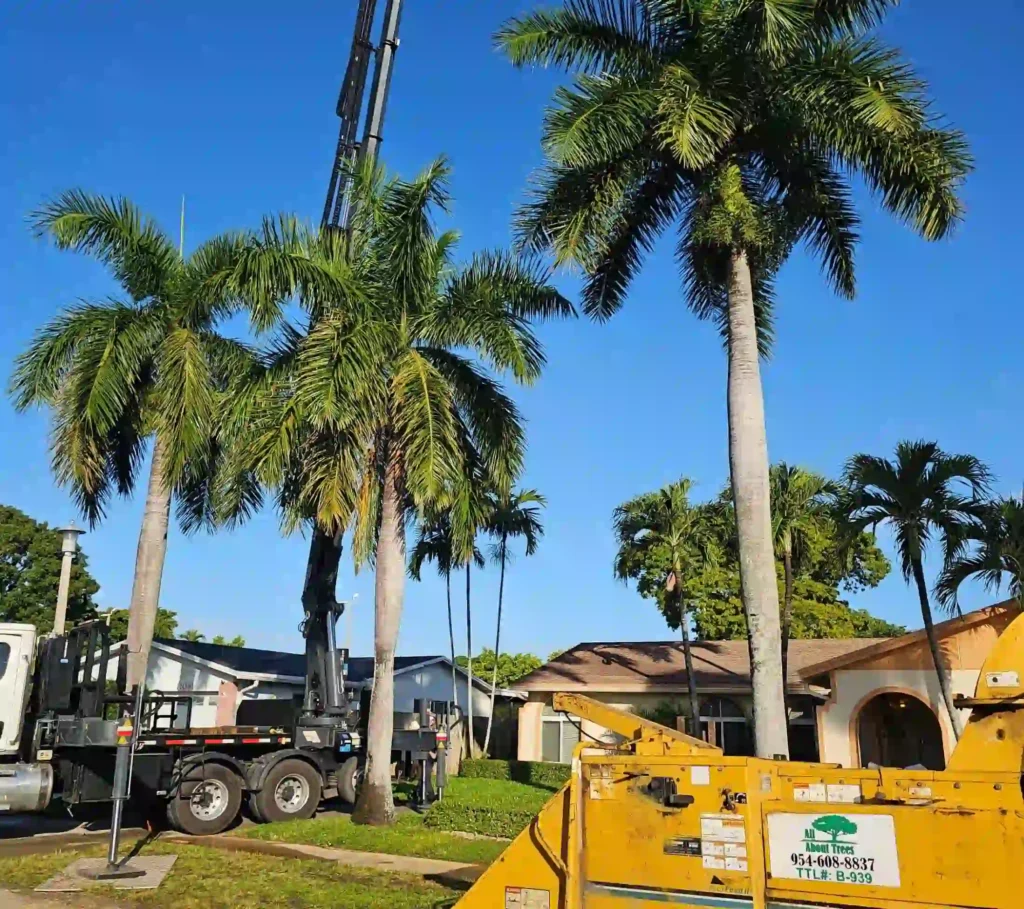
The safest and most effective time to Trim Trees most trees in Fort Lauderdale is late winter through early spring (February to April).
During this period:
- Trees are less stressed
- Growth is slower and controlled
- Healing is faster as spring begins
- Disease and insect activity is lower
This timing aligns with broader Florida arborist recommendations that emphasize dormant-season pruning for healthier regrowth.
2. Late Spring (Final Preparation Before Storm Season)
Late spring is the last practical window before hurricane season intensifies.
Arborists often focus on:
- Light canopy thinning
- Removal of weak or dead branches
- Storm preparation trimming
According to regional tree care guidance, preparing trees before peak storm months helps reduce wind damage risks significantly.
3. June and Summer Months (Why It’s Too Late)
June marks the beginning of Florida’s active hurricane season and peak tree stress period.
At this stage:
- Trees are in full growth mode
- Healing from cuts is slower
- Pests and fungal infections are more active
- Heavy pruning increases stress dramatically
Experts generally recommend avoiding major pruning during summer unless it is emergency or storm-damage related.
In simple terms: June trimming is reactive, not preventive.
Why Professional Tree Trimming Is Essential in Fort Lauderdale
Tree trimming in South Florida is not just about cutting branches, it is about understanding tree biology, storm behavior, and structural safety.
1. Storm-Ready Canopy Design
Professionals shape Trim Trees to:
- Reduce wind resistance
- Maintain structural balance
- Prevent branch failure during storms
2. Species-Specific Care
Different trees require different timing:
- Oaks need careful seasonal pruning
- Palms require selective frond removal
- Tropical hardwoods need structural thinning
Incorrect timing can damage long-term growth.
3. Safety and Compliance
Local guidelines emphasize that elevated Trim Trees should only be performed by trained professionals due to safety risks and proper pruning standards.
4. Long-Term Tree Health
Proper pruning ensures:
- Stronger branch structure
- Better airflow
- Reduced disease risk
- Longer tree lifespan
Common Mistakes Homeowners Make
1. Waiting Until Storm Season
Many homeowners delay trimming until storms are already approaching, which is too late for structural improvement.
2. Heavy Summer Pruning
Cutting large sections in June or July can shock trees and slow recovery.
3. “Topping” Trees
Cutting the top off trees weakens structure and increases long-term risk.
Conclusion: Don’t Wait Until June
In Fort Lauderdale, tree trimming is all about timing, and June is already too late for major pruning. By the time summer arrives, trees are in full growth mode and hurricane season is already underway.
The safest and most effective approach is early-year or late-winter pruning, followed by light maintenance before storm season peaks. This keeps your trees healthier, your property safer, and your risk significantly lower.
Professional arborists can assess your trees and create a seasonal plan that prepares your landscape for South Florida’s demanding climate.
Call to Action
If your trees in Fort Lauderdale are overgrown or haven’t been trimmed recently, don’t wait for storm season damage.
Schedule a professional tree inspection and pruning service today to protect your home and keep your landscape safe year-round.