
Trees and Tree Problems are one of the features that make Coral Springs neighborhoods attractive, shaded, and livable, but local climate conditions also create challenges homeowners often overlook. Between heavy seasonal rain, strong storm systems, fast-growing species, and year-round heat, trees can develop problems long before visible damage appears. Recognizing early warning signs and acting quickly can help homeowners avoid emergency situations and protect both property and landscaping. Coral Springs also operates under active tree preservation requirements, which makes professional evaluation especially valuable before major tree work begins.
Many tree problems start small and become noticeable only after storms or rapid seasonal growth. Emergency tree services are often called after failure occurs, but preventive care can reduce those risks significantly.
1. Aggressive Root Systems Damaging Property
One of the most common issues in Coral Springs involves aggressive surface roots.
Certain trees may:
- Lift sidewalks
- Crack driveways
- Affect irrigation systems
- Interfere with underground infrastructure
- Cause uneven landscape areas
Local arborists frequently identify invasive root growth as a major reason homeowners seek evaluations before structural damage worsens. Ficus trees are commonly cited locally because of their aggressive root behavior.
Professional tree assessments help determine whether root management, pruning, or removal is appropriate.
2. Storm and Hurricane Damage
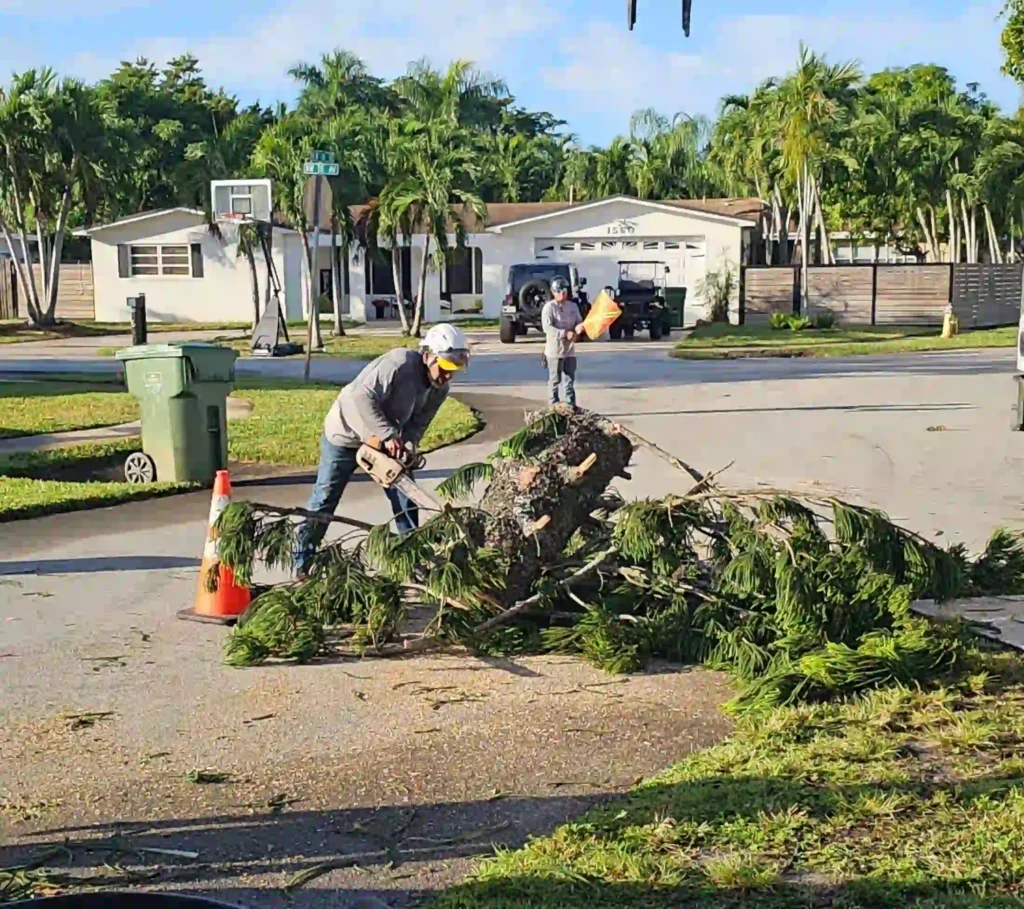
South Florida weather creates ongoing pressure on mature trees.
Problems often include:
Broken Limbs
Heavy wind loads can weaken branches.
Leaning Trees
Root instability may become visible after storms.
Split Trunks
Trees with structural defects may fail unexpectedly.
Fallen Canopies
Dense growth can create excess weight during severe weather.
Local guidance recommends proactive trimming and risk reduction before wet-season storm activity increases.
Emergency tree service becomes especially important when damaged trees threaten homes, fences, vehicles, or access areas.
3. Structural Decline in Aging Trees
Not every tree problem looks dramatic.
Older trees sometimes experience:
- Internal decay
- Weak branch attachment
- Reduced structural integrity
- Hidden cavity formation
Community discussions among arborists frequently note that healthy-looking trees may still develop internal structural problems, especially where trunk form creates weak attachment points or decay progresses unseen.
Professional inspections are designed to identify structural concerns before visible failure occurs.
4. Improper Pruning and Over-Trimming
Tree maintenance mistakes often create long-term problems.
Incorrect trimming may lead to:
Decay
Large wounds can introduce stress.
Weak Regrowth
Improper cuts may encourage unstable branch growth.
Reduced Lifespan
Excessive pruning can weaken trees over time.
Coral Springs tree work often references ANSI A300 professional pruning standards to preserve tree health and reduce unnecessary damage.
5. Fungal Disease and Tree Health Decline
Florida’s moisture and humidity create conditions that support fungal development.
Possible warning signs include:
- Mushrooms near the trunk base
- Discoloration
- Excessive branch dieback
- Sparse canopy growth
- Soft or decaying wood
Local tree professionals regularly identify fungal disease concerns in species including pines and palms across South Florida conditions.
Disease diagnosis is often difficult without professional evaluation because symptoms can appear similar to drought stress or aging.
Job Story: Preventing an Emergency Tree Situation in Coral Springs
A homeowner in Coral Springs noticed one mature tree beginning to lean slightly after repeated storms.
At first glance, the canopy still appeared healthy.
After scheduling a professional assessment, the inspection identified internal decline and branch weight imbalance that increased failure risk.
Instead of waiting for storm season to create an emergency, the service plan included:
- Risk evaluation
- Strategic pruning
- Structural assessment
- Removal of compromised growth
The homeowner avoided potential property damage and maintained healthier surrounding trees.
Professional Advantage: Why Tree Problems Need Expert Evaluation
Tree issues often develop out of sight.
Professional services help homeowners by providing:
Tree Risk Assessment
Identify hazards before visible failure.
Emergency Response
Address storm-related damage safely.
Permit Awareness
Support compliance with local requirements.
Species-Specific Care
Different trees respond differently to pruning and maintenance.
Best Tree Trimming emphasizes emergency tree service, certified arborist evaluation, and safe removal planning for hazardous conditions and storm-related situations.
Signs You Should Schedule a Tree Inspection
Consider professional evaluation if you notice:
- Sudden leaning
- Dead branches
- Cracks in the trunk
- Raised roots
- Branches touching structures
- Fungal growth
- Storm-related canopy changes
Early action often prevents larger repairs later.
Protect Your Coral Springs Trees Before Problems Escalate
Tree problems rarely improve on their own. Early evaluation helps reduce emergency situations, preserve healthy growth, and protect your property from avoidable damage.
If you have concerns about tree health, storm preparation, or potential hazards, now is the right time to schedule professional support.
Call to Action
Call Best Tree Trimming today, request a tree assessment, or schedule emergency tree service to keep your Coral Springs property safe and healthy.