
In Weston, hurricane season is more than a weather forecast, it is a property preparation season. Strong winds, saturated soil, and sudden storm systems can place enormous stress on residential trees, especially those that have not been properly maintained throughout the year. Fallen limbs, uprooted trees, blocked access, and property damage often begin with issues that developed months earlier. Learning how to prepare your Weston FL trees before hurricane season helps reduce risk and supports healthier, stronger landscapes.
Professional tree care is one of the most effective ways homeowners can improve storm readiness. Best Tree Trimming provides tree care services focused on proactive maintenance, tree health evaluations, and strategic pruning designed to help reduce hurricane-related tree failures.
Why Hurricane Season Preparation Starts With Tree Health
Many homeowners focus on outdoor furniture and roofing before storms but overlook trees.
Healthy trees generally tolerate weather stress better than neglected ones.
Trees become more vulnerable during hurricane season because of:
- Dense overgrown canopies
- Dead or weakened branches
- Root instability
- Previous storm damage
- Poor structural growth patterns
- Pest or disease stress
Professional tree care focuses on identifying these concerns before severe weather arrives.
Step 1: Schedule a Professional Tree Inspection
Preparation starts with understanding current tree condition.
Professional inspections evaluate:
Structural Stability
Checking for leaning, cracks, and growth imbalance.
Branch Condition
Identifying dead, damaged, or overloaded limbs.
Root Health
Reviewing signs of instability or stress.
Species-Specific Risk
Different tree types respond differently to wind exposure.
Best Tree Trimming’s tree care services emphasize proactive evaluation and maintenance to reduce future storm-related concerns.
Step 2: Remove Dead and Hazardous Limbs
One of the most common causes of storm damage is branch failure.
Professional pruning may help reduce:
- Falling branch hazards
- Wind resistance
- Excess canopy weight
- Contact with roofs or structures
The goal is not aggressive trimming.
Proper pruning maintains tree health while improving storm performance.
Step 3: Address Structural Problems Early
Small issues often become emergencies during hurricane season.
Watch for signs such as:
Cracked Trunks
Visible splitting may indicate structural weakness.
Multiple Competing Leaders
Trees with poor structure can fail under strong wind pressure.
Heavy Limb Extension
Large horizontal growth may increase break risk.
Leaning Trees
Movement after previous storms deserves evaluation.
Professional care helps determine whether corrective pruning, support systems, or removal is appropriate.
Step 4: Protect Root Zones
Strong roots improve storm resilience.
Homeowners should avoid:
- Excess soil compaction
- Overwatering
- Construction disturbance
- Excessive grade changes
Root damage may not become visible until severe weather creates additional stress.
Professional tree care often includes guidance on maintaining healthier root environments.
Step 5: Create Clearance Around Structures
Trees should have adequate separation from:
- Rooflines
- Screen enclosures
- Driveways
- Utility access points
- Outdoor gathering areas
Storm winds can rapidly turn nearby branches into property hazards.
Professional trimming supports safer clearance while preserving appearance.
Job Story: Storm Preparation for a Weston Property
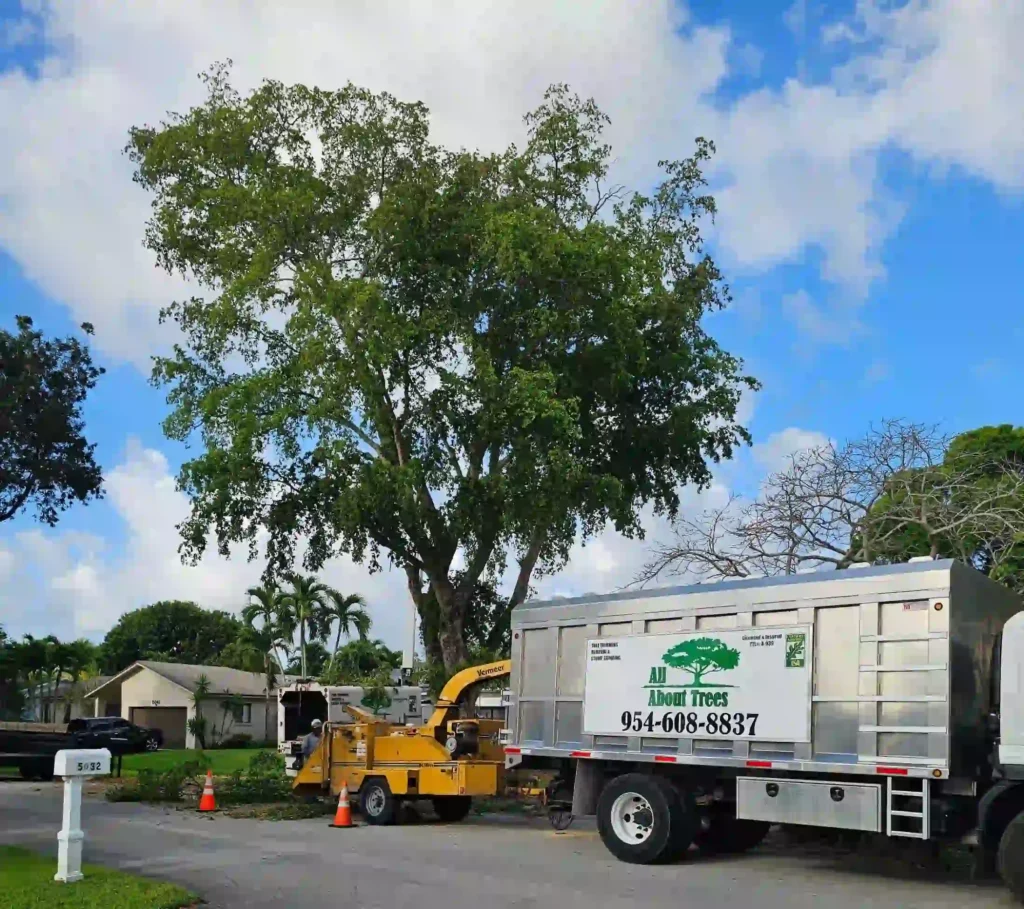
A Weston homeowner became concerned after noticing heavier canopy growth following a wet season.
Although the trees appeared healthy, several large limbs extended directly above the roofline.
Instead of waiting for hurricane forecasts, they scheduled a professional tree care visit.
The service plan included:
- Tree health assessment
- Selective canopy reduction
- Removal of dead branches
- Structural pruning recommendations
After the work was completed, the property maintained shade and appearance while reducing unnecessary storm exposure.
The homeowner entered hurricane season with greater confidence and a clearer maintenance plan.
Professional Advantage: Why Hurricane Tree Preparation Is Not DIY
Storm preparation is different from routine yard work.
Over-Pruning Can Increase Risk
Improper cuts may weaken trees.
Hazard Detection Requires Experience
Structural problems are not always visible.
Equipment and Access Matter
Tall canopies and mature trees require specialized methods.
Long-Term Tree Health Matters
Best Tree Trimming focuses on maintaining tree health while reducing storm-related hazards through professional care and informed pruning decisions.
Professional preparation balances safety with long-term landscape health.
Signs Your Weston Trees Need Immediate Attention
Schedule professional evaluation if you notice:
- Dead hanging branches
- Sudden leaning
- Root lifting
- Canopy thinning
- Cracks in trunks
- Branches touching structures
- Storm damage from previous seasons
Addressing these concerns before hurricane season may reduce emergency situations later.
Prepare Now Before Storm Season Arrives
Tree preparation is one of the most valuable steps homeowners can take before hurricane season. Healthy, properly maintained trees are better positioned to withstand weather stress and reduce avoidable property damage.
If your trees have not been inspected recently, now is the time to act.
Call to Action
Call Best Tree Trimming today, request a tree care consultation, or schedule professional hurricane preparation services to help protect your Weston FL property this season.