
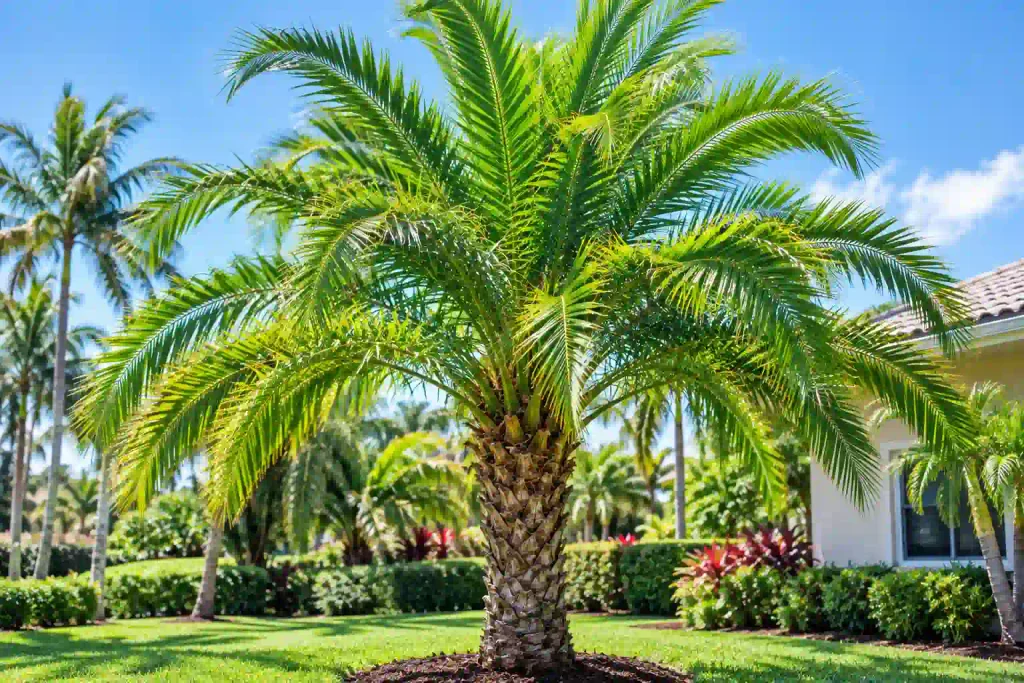
Palm trees add a tropical appearance to residential landscapes, commercial properties, and outdoor living spaces. However, keeping them healthy requires more than regular watering and occasional trimming. Choosing the Best Fertilizer depends on the palm species, soil conditions, climate, and nutrients available to its roots. When palms develop yellowing leaves, weak growth, or unusual frond patterns, inadequate nutrition may be part of the problem.
In South Florida, warm weather, sandy soils, and heavy seasonal rainfall can affect how nutrients remain available to palm roots. Some nutrients may leach through the soil, while certain deficiencies can develop even when a palm receives regular watering. Using the wrong fertilizer or applying it incorrectly can make these issues worse. Professional tree fertilization helps property owners address nutrient needs carefully instead of relying on a generic lawn fertilizer that may not suit palm trees.
What Nutrients Do Palm Trees Need?
The Best Fertilizer for palms should provide the nutrients needed to maintain healthy fronds, support root development, and encourage steady growth. Nitrogen supports chlorophyll production and foliage health, while potassium helps regulate essential plant functions. Magnesium is important for chlorophyll production, and micronutrients such as iron, manganese, zinc, and boron support normal palm development. When these nutrients are deficient, palms may develop yellowing fronds, distorted new leaves, or reduced growth. However, these symptoms can also indicate pests, diseases, root damage, or drainage problems, so identifying the underlying cause is essential before applying treatment.
Many palms benefit from a palm-specific, slow-release fertilizer that supplies nutrients gradually. In Florida, an 8-2-12 fertilizer with 4% magnesium and appropriate micronutrients is commonly recommended for landscape palms, although the best formulation depends on the species, soil conditions, and individual tree needs. Slow-release products can help provide a more consistent nutrient supply while reducing the risk of nutrients washing away too quickly. A professional assessment can help determine whether a particular formulation is suitable for your landscape.
Soil conditions are another important consideration when choosing the Best Fertilizer. South Florida’s sandy soils often drain quickly, allowing some nutrients to move below the root zone. Heavy rainfall can increase nutrient loss, while poor drainage in other locations can contribute to root stress. Applying more fertilizer does not necessarily solve these problems. Instead, soil sampling and professional evaluation can help determine which nutrients are lacking and whether other growing conditions need attention.
Best Tree Trimming offers professional tree fertilization services to help property owners maintain healthier landscape trees. Its tree care approach includes soil-specific fertilization, slow-release granular treatments, and soil sampling to guide recommendations. This type of professional support can be particularly valuable when palms show persistent symptoms or when homeowners want to establish a consistent tree maintenance plan.
How to Choose the Best Fertilizer for Palm Trees
A professional fertilization service begins by evaluating the palm’s overall condition. An arborist may examine the color and shape of the fronds, the pattern of new growth, the surrounding soil, and the tree’s growing environment. When necessary, soil analysis can help identify potential nutrient deficiencies. Based on these findings, the appropriate fertilizer, application rate, and treatment method can be selected.
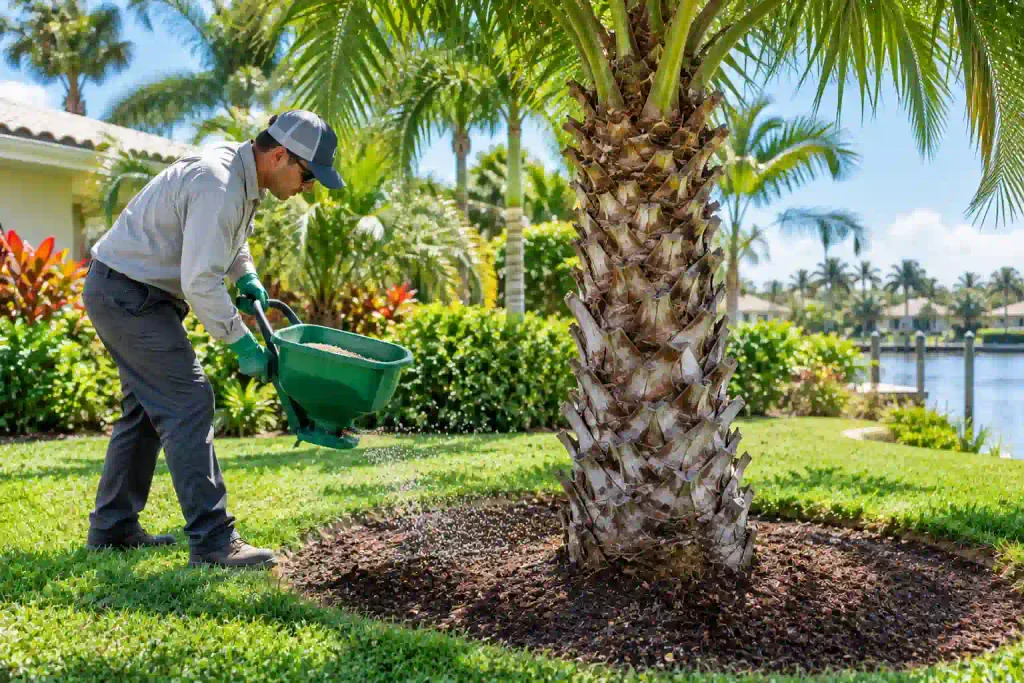
Professional application also helps reduce common fertilization mistakes. Applying too much fertilizer can damage roots or contribute to nutrient imbalances, while choosing an unsuitable product may fail to address the actual problem. Fertilizer should be applied according to product directions and professional recommendations, with appropriate attention to the root zone and surrounding landscape. Keeping fertilizer away from direct contact with the trunk and avoiding excessive application are important parts of responsible tree care.
Another common mistake is treating every yellow palm frond as a sign of fertilizer deficiency. Older fronds naturally change color as palms grow, but unusual or widespread yellowing may indicate a nutrient problem or another source of stress. Root damage, poor irrigation practices, pests, and diseases can all affect palm health. Fertilization may help when nutrients are the underlying issue, but it cannot correct every cause of declining growth. A professional diagnosis helps prevent unnecessary applications and supports more effective treatment.
Maintaining healthy palms also requires consistent care beyond fertilizer. Appropriate watering, suitable drainage, regular inspections, and proper pruning can help trees remain in good condition. Homeowners should avoid removing healthy green fronds unnecessarily because these leaves help the palm produce energy. Monitoring changes in growth and leaf color can also help identify developing problems before they become more serious.

Choosing the Best Fertilizer is an important step toward maintaining attractive, healthy palm trees, but successful results depend on selecting the right product and applying it correctly. Soil conditions, nutrient balance, palm species, and ongoing maintenance all influence how well a tree responds to fertilization. Professional guidance can help homeowners avoid guesswork and develop a treatment plan suited to their landscape.
Get Professional Palm Fertilization in South Florida
Best Tree Trimming provides tree fertilization and tree care services in Hollywood, Fort Lauderdale, and surrounding Broward County communities. Whether your palms show signs of nutrient deficiency or you want to support the long-term health of your landscape, professional assessment can help identify the next steps.
Ready to improve your palm trees’ health? Visit the Tree Fertilization service page or call (954) 608-8837 to request a estimate and discuss a suitable fertilization plan for your property.