
Trees are an important part of Parkland, Florida’s attractive residential landscape, providing shade, greenery, and natural beauty throughout the year. However, South Florida’s warm, humid climate, frequent thunderstorms, and hurricane season can place additional stress on mature trees. Knowing how often to trim trees is essential for homeowners who want to maintain healthy branches, manage overgrowth, and reduce potential hazards around roofs, driveways, and outdoor living areas. In Parkland, the right trimming schedule depends on the tree species, age, condition, and location rather than a single calendar date. All About Trees Tree Service provides professional tree trimming and tree care throughout Broward County, helping property owners maintain their landscapes with informed, safety-focused service.
How Often Should You Trim Trees in Parkland, FL?
For many established shade trees, professional trimming every few years may be sufficient, while younger trees can require more frequent structural pruning as they develop. Fast-growing species may need more regular assessment, and trees with dead, damaged, or hazardous branches may need attention sooner.
There is no universal schedule that suits every tree in Parkland. A mature live oak, a rapidly growing ornamental tree, and a palm tree have different maintenance requirements. Trimming too frequently or removing too much living foliage can weaken a tree rather than improve its condition.
For many trees in South Florida, a general maintenance interval of one to three years may be appropriate, depending on growth, condition, and location. However, some mature trees need less frequent routine pruning, while damaged trees may require immediate attention.
A professional assessment helps determine whether a tree needs routine maintenance, selective pruning, or urgent attention. All About Trees Tree Service offers tree trimming, pruning, tree care, and emergency tree services for residential and commercial properties in Parkland and throughout Broward County.
Factors That Determine Your Tree Trimming Schedule
Tree Species and Growth Rate
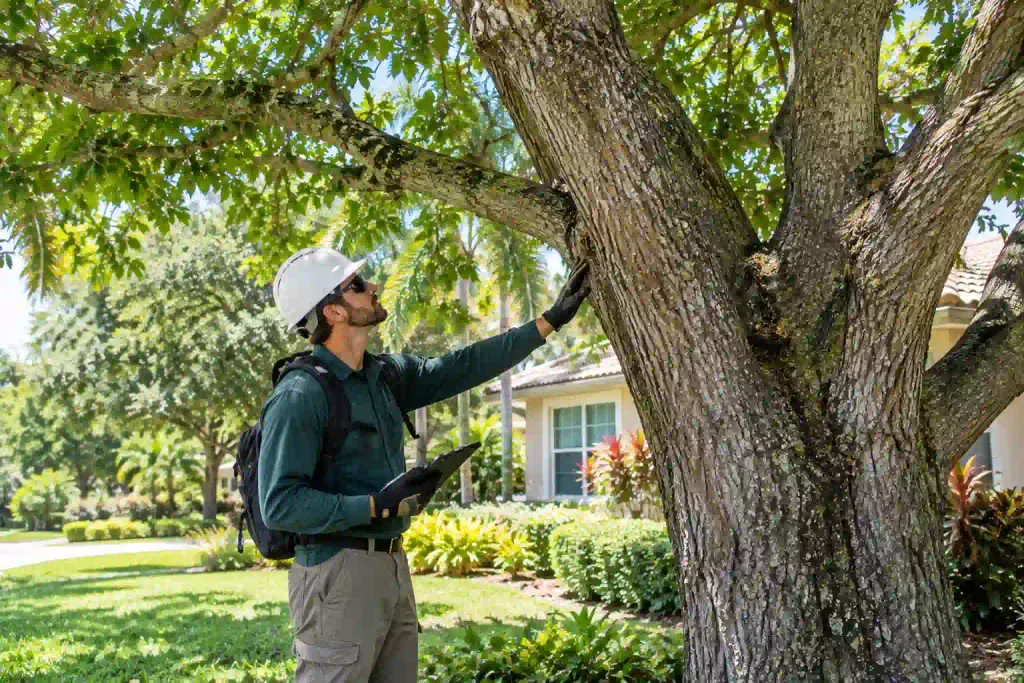
Different tree species grow at different rates and respond differently to pruning. Some ornamental trees produce new growth quickly, while established shade trees may need less frequent routine trimming when they are healthy and properly maintained.
Parkland properties may feature mature oaks, pines, cypress trees, and palms, each with distinct structural characteristics and maintenance needs. A professional tree care provider can identify the species and recommend a schedule based on its growth pattern, condition, and location.
Palm maintenance also differs from trimming broadleaf trees. Removing healthy green palm fronds unnecessarily can reduce the tree’s ability to produce and store energy. Proper palm care focuses on removing dead or hazardous material when appropriate instead of cutting healthy fronds simply to create a particular appearance.
Tree Age and Structural Development
Young trees benefit from early structural pruning that encourages a strong framework and helps address competing leaders, poorly positioned branches, and developing structural weaknesses. Correcting these issues while a tree is young can reduce the need for larger corrective cuts later.
Mature trees generally need a more selective approach. Their branches may be larger, their canopies more complex, and their proximity to buildings or utility lines more difficult to manage. Removing substantial amounts of mature growth without a clear reason can stress the tree and create unnecessary wounds.
A qualified professional can determine which branches should be removed and how much pruning is appropriate for the tree’s age and condition.
Weather Conditions in South Florida
Parkland’s subtropical climate allows many trees to grow for much of the year. Warm temperatures, humidity, and seasonal rainfall can support vigorous growth, but storms and strong winds can expose weak branch attachments or damage limbs.
Hurricane season makes tree inspections particularly important. Homeowners should not wait for a major storm warning to discover that a large branch is dead, cracked, or hanging over a frequently used area.
However, heavy pruning immediately before a storm is not a guaranteed way to prevent tree failure. Excessive or poorly executed cutting can damage tree structure. The better approach is to maintain trees appropriately throughout the year and have a professional assess potential hazards before severe weather arrives.
Signs Your Trees Need Trimming
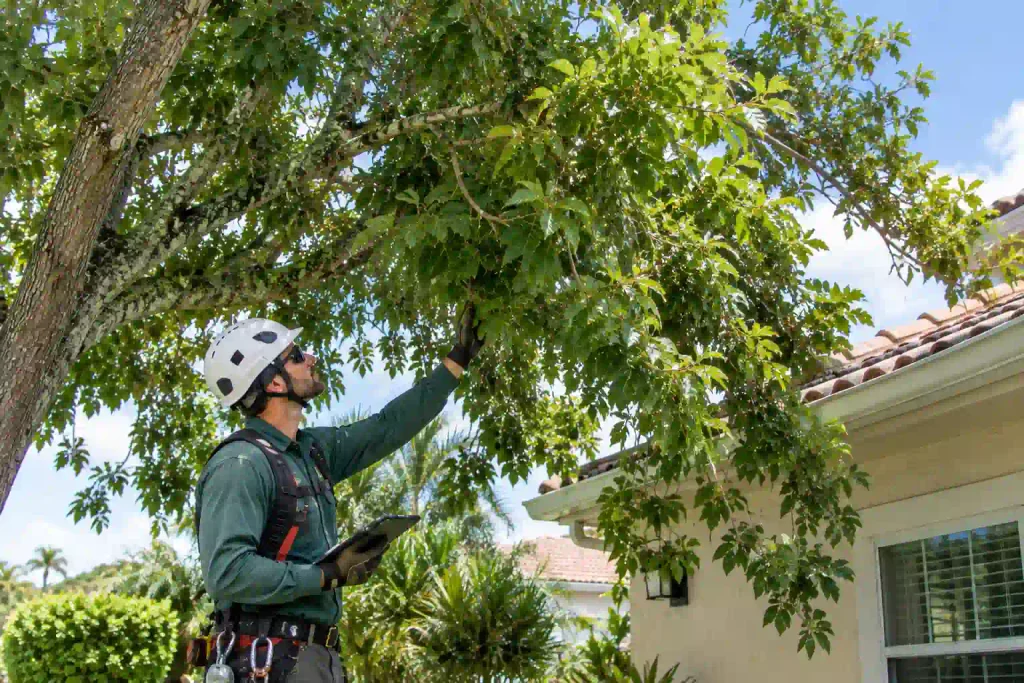
A fixed schedule is useful, but visible warning signs may indicate that a tree needs professional attention sooner. Regular inspections can help homeowners identify problems before they become more serious.
Watch for these signs:
- Dead, broken, or hanging branches.
- Branches rubbing against the roof, siding, or nearby structures.
- Limbs obstructing walkways, driveways, or outdoor seating areas.
- Dense growth that affects the tree’s natural structure.
- Branches showing cracks, splitting, or unusual movement.
- Signs of disease, decay, or pest damage.
- Storm-damaged limbs or branches that have changed position.
A tree that suddenly leans, develops major trunk cracks, or has large hanging limbs may present an immediate hazard. Keep people away from the affected area and contact a qualified tree care professional. Never attempt to remove large or elevated branches yourself.
Why Professional Tree Trimming Is Important
Professional tree trimming involves more than cutting back branches to make a tree look neat. Each cut can affect the tree’s structure, growth, and long-term health. Incorrect pruning may create large wounds, encourage decay, or leave a tree with an unbalanced canopy.
All About Trees Tree Service provides professional tree trimming and pruning throughout Parkland and Broward County. The company has more than 15 years of tree care experience in South Florida, with an ISA Certified Arborist leading the team and expertise in tree risk assessment.
Professional Equipment and Safe Pruning Techniques
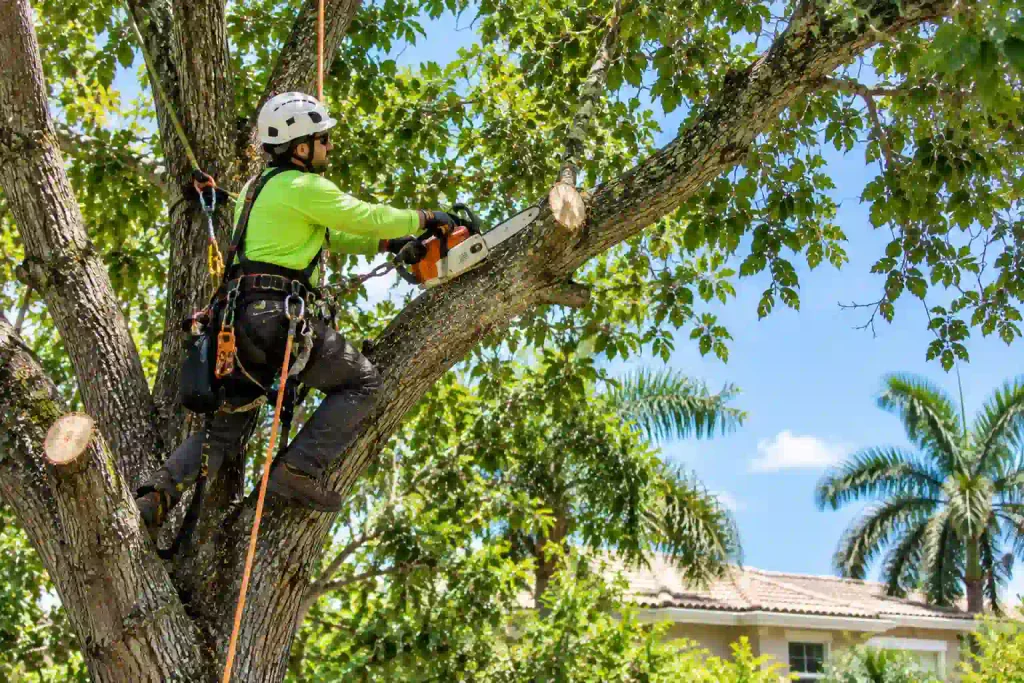
Large trees often have branches that are difficult to reach safely from the ground. Working around roofs, fences, driveways, and other structures adds further complexity. Professional crews use appropriate equipment and established safety procedures to manage these challenges.
An experienced arborist evaluates the tree before deciding which branches to remove. The assessment considers branch attachment, canopy balance, visible damage, and the tree’s overall condition. This approach helps preserve healthy growth while addressing potential hazards.
Professional tree trimming can improve the appearance of a property, remove dead or overgrown branches, and support better canopy structure. The goal is not to remove as much growth as possible but to make appropriate cuts that meet the tree’s needs.
Professional equipment is particularly important when branches are close to buildings, power lines, or other obstacles. Attempting to cut large limbs without proper training can result in serious injuries and property damage. Homeowners should leave complex or hazardous pruning to qualified professionals.
A Common Parkland Tree Trimming Scenario
Consider a homeowner in Parkland with a mature oak growing close to the driveway and roofline. Over several growing seasons, the canopy expands, branches begin rubbing against nearby structures, and a few limbs show signs of damage after strong thunderstorms.
The homeowner initially considers trimming the tree only when it becomes visibly overgrown. However, a professional assessment reveals that the tree needs selective pruning to address damaged branches and improve its overall structure.
The tree care team evaluates the canopy, identifies branches requiring attention, and develops a suitable trimming plan. The work focuses on removing problematic growth while preserving healthy limbs and the tree’s natural form.
After the service, the homeowner has a clearer maintenance schedule and knows which warning signs to monitor. Future inspections help determine when additional pruning is necessary instead of relying entirely on visible overgrowth.
This illustrative scenario demonstrates why tree trimming should be based on condition and structure rather than appearance alone. Regular professional assessments can help homeowners plan maintenance before minor concerns become more difficult to manage.
When Is the Best Time to Trim Trees in Parkland?
The best timing depends on the tree species, the purpose of pruning, and the condition of the branches. Some maintenance can be scheduled during routine landscape care, while hazardous or storm-damaged branches may need immediate attention regardless of the season.
In South Florida, homeowners should arrange tree inspections before hurricane season rather than waiting until a storm approaches. This allows time to identify potential hazards and plan appropriate maintenance.
However, not every tree should receive heavy trimming before hurricane season. Excessive pruning can weaken tree structure, and different species respond differently to cutting. A qualified arborist can recommend the appropriate timing and extent of work.
Parkland homeowners should also check applicable local requirements before undertaking significant tree work, particularly when protected trees or regulated properties may be involved.
Frequently Asked Questions
How often should I trim trees in Parkland, FL?
Many established trees can go several years between routine pruning sessions, while younger trees and fast-growing species may require more frequent attention. A general interval of one to three years may suit some trees, but an on-site assessment provides a more accurate schedule.
Should I trim trees before hurricane season?
A professional inspection before hurricane season is a sensible precaution. It can identify dead branches, weak attachments, and other concerns that may require attention. Appropriate maintenance does not guarantee that a tree will withstand a hurricane.
Can trimming improve tree health?
Yes. Proper pruning can remove dead, damaged, or diseased branches and support healthy structure. However, excessive or incorrect trimming can harm a tree, so the work should be guided by its species, condition, and growth pattern.
Do palm trees need trimming as often as shade trees?
Not necessarily. Palms have different growth patterns and pruning requirements from broadleaf trees. The appropriate schedule depends on the species and the condition of its fronds. Removing healthy green fronds unnecessarily should be avoided.
How do I know whether a tree needs urgent attention?
Large broken limbs, hanging branches, major cracks, sudden leaning, and visible structural damage can indicate a serious hazard. Keep people away from the affected area and seek a professional assessment promptly.
Schedule Professional Tree Trimming in Parkland, FL
Knowing how often to trim trees helps Parkland homeowners maintain attractive landscapes, support tree health, and address potential hazards before they become serious. Because South Florida’s warm climate encourages growth and seasonal storms can damage branches, regular inspections and species-appropriate pruning are essential parts of responsible tree care.
All About Trees Tree Service provides professional tree trimming, pruning, tree care, and emergency tree services throughout Parkland and Broward County. With an ISA Certified Arborist leading the team and extensive experience in South Florida, the company can assess your trees and recommend a maintenance plan suited to your property.
Ready to schedule tree trimming? Contact All About Trees Tree Service at (954) 608-8837 to request a free on-site estimate. Arrange a professional assessment to help keep your Parkland trees healthy, well maintained, and prepared for changing weather conditions.